

AI Doesn’t Need to Be All-Knowing, it Needs to Be Well-Trained.
Right now, we’re treating AI like it should be omniscient. That expectation is the problem. Most large AI platforms are being built as massive, do-everything systems. They’re expected to write, design, research, analyze, ideate, generate images, and somehow be exceptional at all of it. But that isn’t how expertise works. It isn’t how humans work either.

The Internet Is Exhausting. AI Will Be the Filter That Saves It.
There’s a quiet burnout happening with digital products right now. Not loud or dramatic, just a slow, cumulative exhaustion that comes from being constantly online, constantly searching, constantly asked to engage.
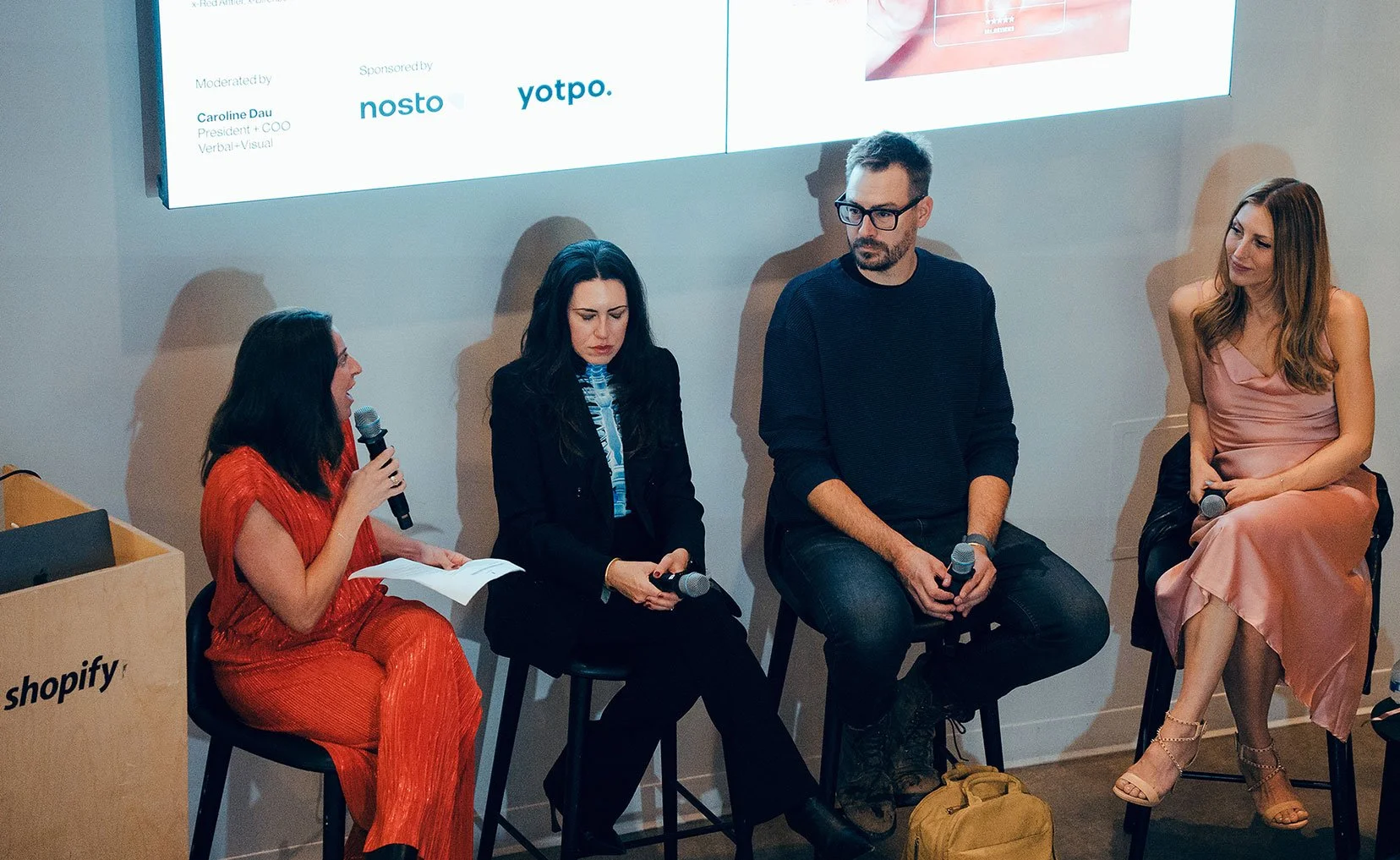
Shopify Panel with Caley Adams
Commerce That Converts Panel, hosted by Shopify. In December 2024, Caley took the stage in SoHo, New York for a Shopify-hosted panel exploring the future of brand-led e-commerce. The event, titled Commerce That Converts, brought together senior leaders across retail, marketing, and digital strategy to examine what it truly takes to build commerce experiences that drive both connection and conversion. Set against a playful Halloween backdrop, Caley arrived dressed as Carrie, just before the blood, a subtle nod to the evening’s mix of levity and sharp insight.
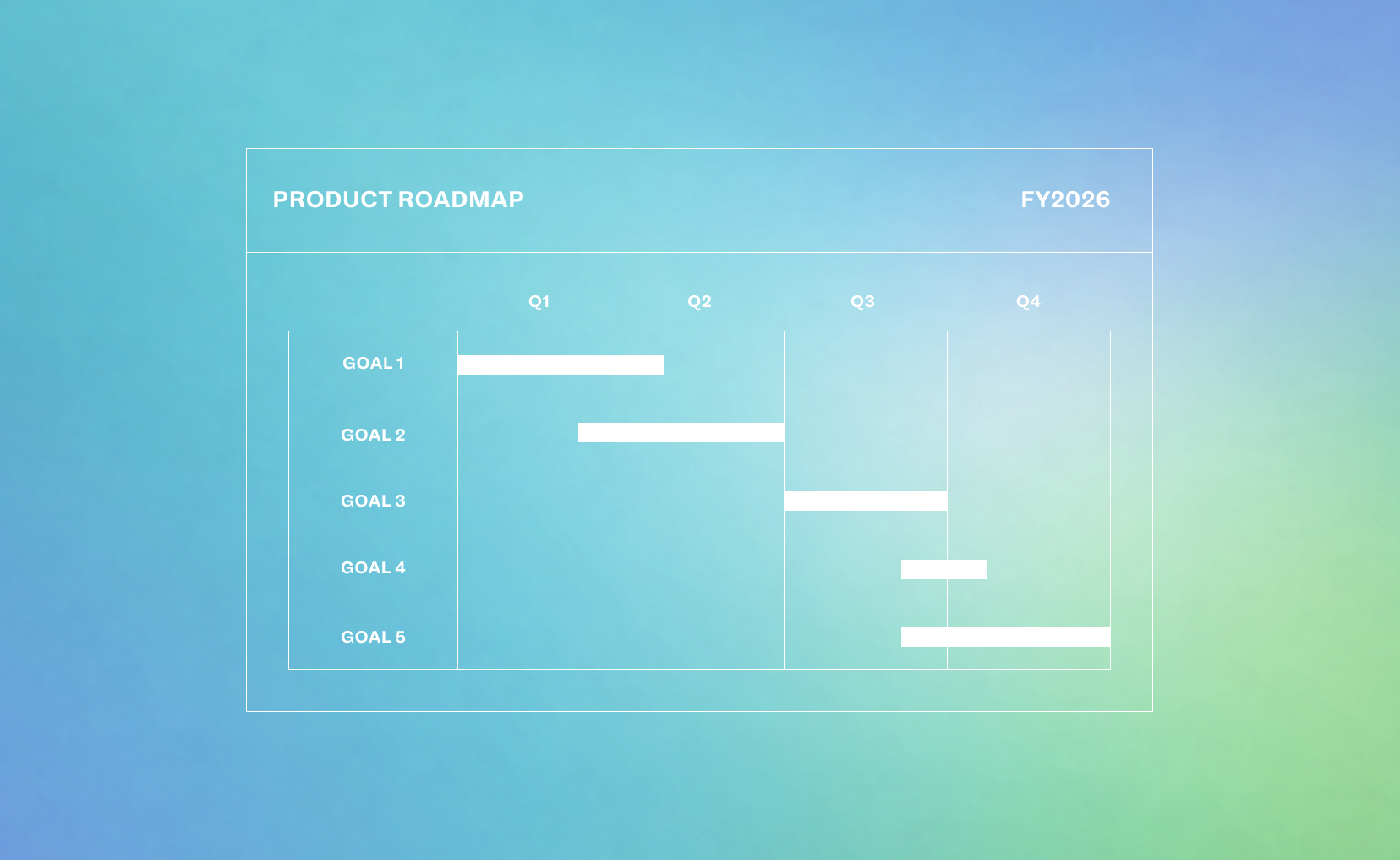
Why Internal Alignment Breaks Down Without a Product Roadmap
Digital product roadmaps are often treated like documentation. Something to be created, circulated once, and quietly forgotten. In reality, they are one of the most powerful alignment tools an organization has. At their best, roadmaps answer a deceptively simple question: what matters most right now, and what matters next. Without that shared answer, teams inevitably fill in the gaps themselves. Individuals and departments start optimizing for their own definitions of priority, often with good intentions, but those efforts can quietly compete with one another. Work becomes busy but not cohesive.

Your Network Isn’t a CRM
Somewhere along the way, professional relationships became transactional. But people see through salesy behavior and one-sided connections instantly. If you want to build something that lasts, relationships have to be human first.
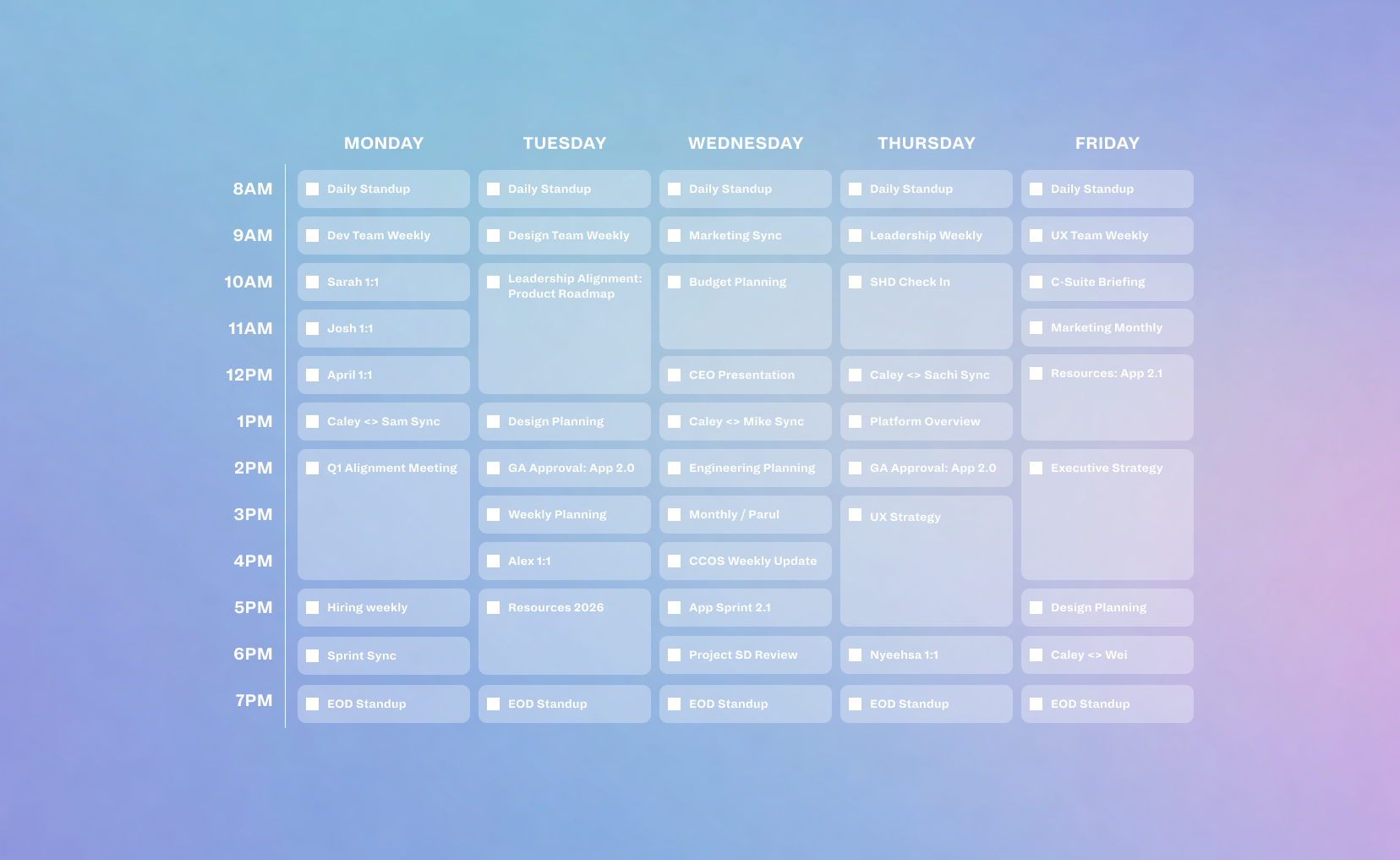
If No One Has Time to Think, Strategy Becomes Reactive by Default
There’s a quiet signal most organizations miss. It isn’t about talent, discipline, or motivation. It’s about time. It sn’t really about productivity. It’s about what an organization communicates, intentionally or not, by how it structures attention.

Design Doesn’t Fail. Feedback Does.
Many design challenges don’t come from a lack of talent or effort, but from how feedback is given and received. This piece looks at why vague or unstructured feedback can slow great work down, and how clear, thoughtful communication helps teams move faster and with more confidence. When clients provide strong direction, useful guardrails, and timely responses, designers are able to iterate more effectively and deliver better outcomes for everyone involved.

Good Design Takes Time. Not Because It’s Precious, But Because It’s Collaborative.
There’s a persistent misconception that when designers talk about time, it’s about ego or perfectionism. That good design needs endless weeks because it’s lofty or precious. That’s not what I’ve seen at all. Good design takes time because it’s a collaborative, iterative process.

It’s Not a Logo, It’s a Playbook.
Too many founders treat branding like a cosmetic task. A logo to check off the list before getting back to “real work.” But branding isn’t decoration. It’s infrastructure. When you rush it or cheapen it, you don’t save time or money. You just push the cost down the road.

User-First Wins Every Time
The best performing websites are rarely the loudest or the most experimental. They’re the ones that respect people’s time, reduce friction, and make it easy to do exactly what someone came there to do. Over and over, I’ve seen that when you design for real human behavior instead of trends or ego, both trust and performance improve.

Good Brand Shows Up Before the Imagery
A lot of digital agencies say they understand brand. A quick test reveals whether that’s actually true. If you strip the imagery out of a website and replace it with gray boxes, what’s left should still feel unmistakably like the brand.

When Branding Ignores Digital, Everyone Pays for It
I’ve spent years working at the intersection of brand and digital, often partnering with branding agencies whose work I genuinely admire. The identity systems are thoughtful, expressive, and beautifully crafted. But when those brands are handed off to digital teams to build websites and e-commerce experiences, the same problems tend to surface again and again.

How D2C Lost Its Way
How something genuinely disruptive became generic, distrustful, and quietly uncool.